



In the age of AI, mechanical SEO manipulation has become dangerously easy. By 2025, more than 50% of online text and 71% of images on social media were AI-generated, and an estimated 580 AI-generated phishing or scam websites were being created every day. This explosion of AI-generated content is exactly why keywords and paid backlinks no longer drive visibility on their own — they’re simply too easy to fake at an industrial scale.
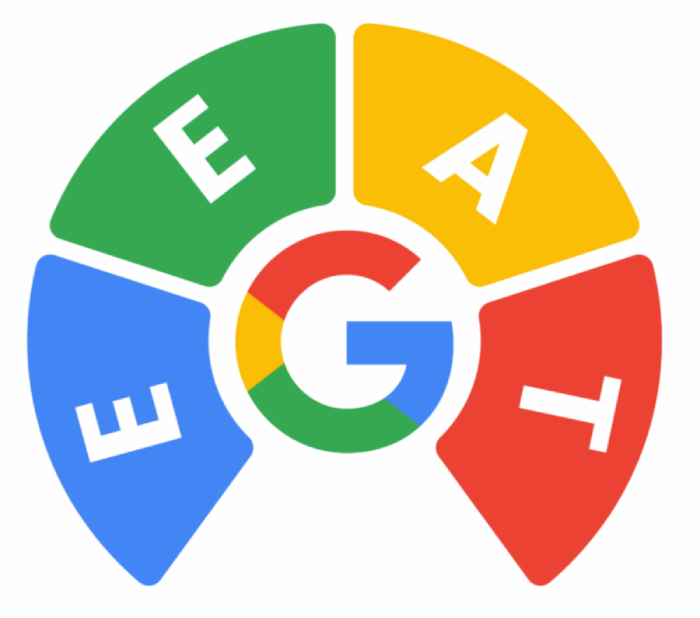
As a result, Google now prioritises real-world signals: genuine relationships between people, companies, and organisations, rather than AI-generated “hallucinations.” What matters is verifiable information — facts that Google can cross-reference across the web via the Google Knowledge Graph, at the heart of which are Google’s quality guidelines and E-E-A-T.
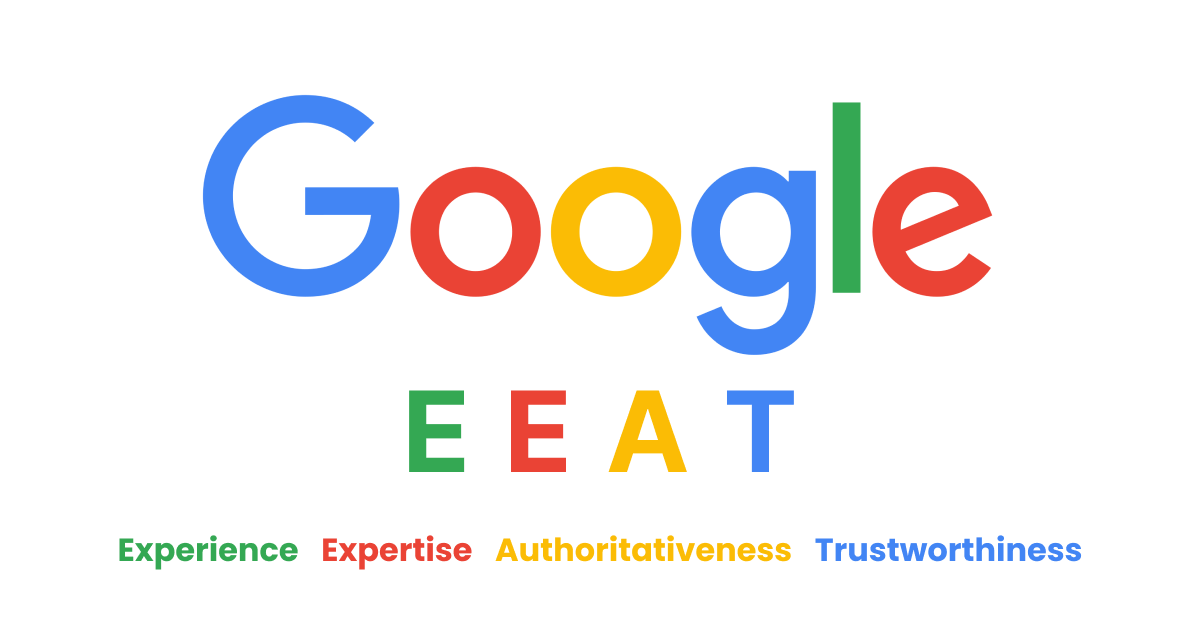
- Experience => what projects, interventions or innovations have you delivered and where can they be seen?
- Expertise =>have those experiences been validated into recognised standards, protocols, certifications or patents?
- Authority => what do recognised experts, institutions, or reputable organisations say about you?
- Trust => what do real customers — who actually bought from you — say about their experience?
E-E-A-T isn’t just a trend — it’s a decade-long evolution. Since 2014, these principles have grown from a niche concept into the core of Google’s search strategy. By 2025, E-E-A-T solidified its place as the decisive factor in search visibility, dictating which sites thrive and which disappear.
HOW DO I MAKE MY CLAIMS VERIFIABLE AND E-E-A-T FRIENDLY?

E-E-A-T is anti blah-blah. Don’t just say it. Prove it. Think names, locations, dates, articles, independent journals, reports. These details allow Google to map your claims to the wider web and validate them.
=> Experience
Don’t say “we worked with Airbus.” State the year, project location, add identifiable photos, and link to a page on Airbus’s website where you are mentioned. With their consent, name the engineers or designers involved. Even if they’ve changed company, Google maps the past, not just the present.
=> Expertise
Don’t just cite an ISO number. Upload the PDF certificate, name the certifying organisation and their location. Don’t just say you won an award. Add the date, category, and a link to the official page naming you as the winner.
=> Authority
Don’t say you’re a member of a trade association. Link to the exact page on their site where you are listed. Same rule for charities you support or local organisations you sponsor.
=> Trust
Don’t claim “great after-sales support.” Show it: open customer feedback, fast responses to complaints, independent rating platforms like Trustpilot.
HOW TO APPLY E-E-A-T TO YOUR COMPANY STAND
Subscribers to Expansion Pack or higher benefit automatically from 9 DoFollow backlinks to your company website. These significantly reinforce the “Authority” of your E-E-A-T. But there’s a lot more you can do. Your stand includes up to five pages and each one has the potential to strengthen various aspects of your E-E-A-T. Here are some practical tips, page by page :
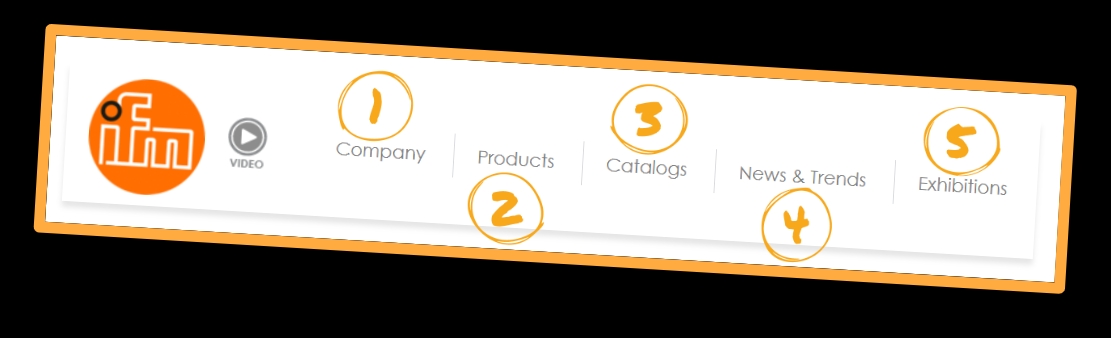
1. Company Page
- Experience: Key engineers/designers, company milestones
- Expertise: Certifications, patents, standards
- Authority: Key partners, key accounts, awards, institutional links.
- Trust: Address, LinkedIn, guarantees (coverage & duration), years in operation, values, CSR actions, sourcing policy, third-party ratings
2. Products Page
- Experience: Product demos, application videos, factory/process videos
- Expertise: Unique technical advantages backed up with KPIs, technical specs and protocols, certifications. Pedagogical text demonstrating technical mastery and in-depth knowledge.
- Authority: Recognised brand references
- Trust: Clear use cases — and clear non-recommended uses
3. PDF Catalogues Page
- Expertise: Technical brochures, ISO certificates, patents
- Authority: Award certificates, independent reviews
- Trust: Guarantees, T&Cs, sourcing policy, privacy policy
4. News & Trends Page
- Experience: Verifiable projects, installations, achievements
- Expertise: Author profiles (name, qualifications, specialisation, LinkedIn)
- Authority: Awards and testimonials
- Trust: Add dates and physical addresses
5. Exhibitions Page
- Authority: Association with recognised trade shows
- Trust: Confirmed participation over the next 12 months
CONCLUSION
Digital marketing is evolving fast, but one trend is undeniable: as AI takes centre stage, the need for verifiable sources grows. Applying E-E-A-T to all your content — on your website or elsewhere — ensures you cover the key strategic bases:
- Better SEO : Stronger ranking signals and improved search positioning.
- Better GEO : More citations and recommendations in AI-driven searches. LLMs like ChatGPT increasingly prioritize E-E-A-T–friendly sources.
- Better Authority & Protection : Reduces misinformation about your brand and strengthens credibility versus competitors making unverified claims.
- Better Conversion : Less buyer uncertainty, leading to higher visitor-to-lead conversion.